


Privacy Policy | Terms of Use | Cookie Policy | Disclaimer
Empowering the American middle class — one story at a time.
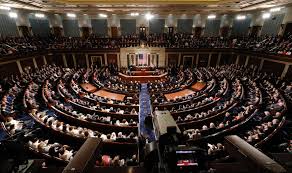
United States Congress: The Legislative Branch
Congress is the legislative branch of the U.S. federal government and is made up of the Senate and the House of Representatives.
The United States Congress is the legislative branch of the federal government and plays a central role in shaping the nation’s laws and policies. Established by the Constitution, Congress represents the voice of the American people and serves as a vital check on the powers of the executive and judicial branches. Through debate, negotiation, and voting, members of Congress work to address national challenges and guide the country’s direction.
Congress is composed of two chambers: the Senate and the House of Representatives. This bicameral system was designed to balance the interests of individual states with those of the population as a whole. By requiring both chambers to approve legislation, the system helps ensure that laws are carefully reviewed, debated, and refined before becoming binding on the nation.
One of Congress’s primary responsibilities is the creation and passage of federal laws. These laws affect nearly every aspect of American life, including taxation, healthcare, education, transportation, national defense, labor standards, and economic policy. Members introduce bills, serve on committees, and engage in debate to represent the concerns of their constituents while considering the broader national interest.
Committees play a critical role in the legislative process. Specialized committees review proposed legislation, hold hearings, and gather expert testimony to evaluate the impact of new laws. This process allows Congress to examine complex issues in depth and improve the quality of legislation before it reaches the full chamber for a vote.
In addition to lawmaking, Congress exercises oversight of the executive branch. This oversight function helps ensure transparency, accountability, and lawful administration of government programs. Through hearings, investigations, and budgetary review, Congress monitors federal agencies and executive actions to protect the public interest.
Congress also holds exclusive authority over federal spending and taxation. By controlling the budget and appropriations process, Congress determines how taxpayer dollars are allocated across government programs and national priorities. This power allows lawmakers to influence economic policy, public services, and long-term investments in the nation’s future.
Another important responsibility of Congress is representing the American people. Senators and Representatives serve as a direct link between citizens and the federal government, addressing constituent concerns, responding to local needs, and advocating for communities at the national level. This representative role ensures that diverse voices from across the country are heard in the policymaking process.
Congress also plays an important role in shaping foreign policy and national security through its constitutional powers. While the President serves as Commander in Chief, Congress has the authority to declare war, approve defense funding, and oversee military operations. Through these responsibilities, lawmakers help balance national security priorities with fiscal responsibility and constitutional oversight.
The Senate holds additional responsibilities that distinguish it from the House of Representatives, including the confirmation of presidential appointments and the approval of international treaties. These duties ensure that key government positions are filled by qualified individuals and that international agreements reflect the interests and values of the United States.
Congressional debates often reflect the diversity of perspectives across the nation. Differences in ideology, regional interests, and policy priorities can lead to vigorous discussion, but this process is a defining feature of representative democracy. By allowing competing viewpoints to be expressed and challenged, Congress helps refine policies and produce more balanced outcomes.
Over time, Congress has evolved alongside the nation it serves. As the population grows and challenges change, lawmakers adapt legislative priorities to address emerging issues such as technology, global trade, environmental concerns, and workforce development. This ability to respond to change helps ensure that Congress remains relevant and effective in a rapidly evolving world.
Through its legislative, oversight, and representative functions, Congress remains a cornerstone of American democracy. While debates and disagreements are a natural part of the process, the institution exists to promote compromise, uphold constitutional principles, and ensure that government remains accountable to the people it serves.