


Privacy Policy | Terms of Use | Cookie Policy | Disclaimer
Empowering the American middle class — one story at a time.
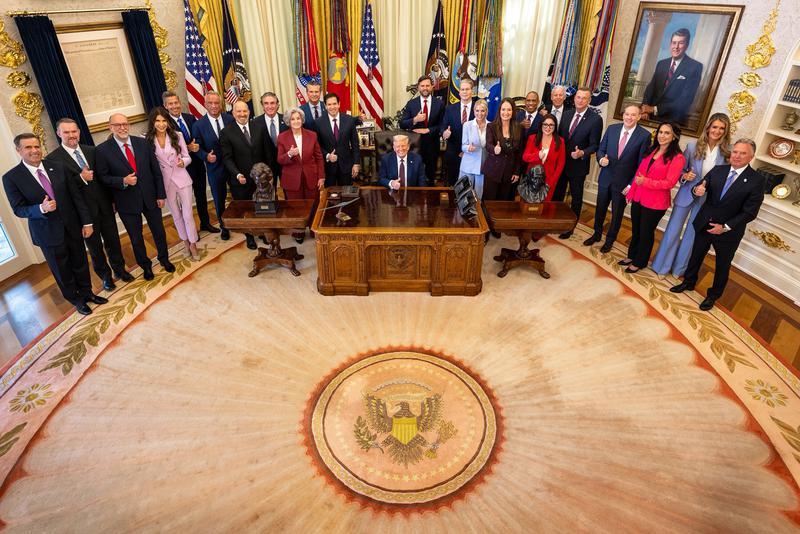
United States Cabinet Members
The President’s Cabinet is composed of senior officials who lead major federal departments and advise the President on national policy, governance, and administration.
- Secretary of State – Oversees U.S. foreign policy, diplomacy, and international relations.
- Secretary of the Treasury – Manages federal finances, economic policy, taxation, and national debt.
- Secretary of Defense – Leads the Department of Defense and oversees the U.S. Armed Forces.
- Attorney General – Heads the Department of Justice and serves as the nation’s chief law enforcement officer.
- Secretary of the Interior – Manages federal lands, natural resources, and Native American affairs.
- Secretary of Agriculture – Oversees farming, food safety, rural development, and agricultural policy.
- Secretary of Commerce – Focuses on economic growth, trade, industry, and technological development.
- Secretary of Labor – Protects workers’ rights, employment standards, and workforce development.
- Secretary of Health and Human Services – Administers public health programs, Medicare, Medicaid, and medical research.
- Secretary of Housing and Urban Development – Addresses housing policy, urban development, and community programs.
- Secretary of Transportation – Oversees national transportation systems, infrastructure, and safety.
- Secretary of Energy – Manages energy policy, nuclear security, and scientific research.
- Secretary of Education – Oversees federal education policy, student aid, and school standards.
- Secretary of Veterans Affairs – Provides services, healthcare, and benefits to U.S. veterans.
- Secretary of Homeland Security – Protects national security through border control, immigration, and emergency response.
The President’s Cabinet plays a vital role in the operation of the United States government by serving as the primary advisory body to the President. Cabinet members are appointed to lead major federal departments and agencies, each responsible for overseeing specific areas that affect the daily lives of Americans. These leaders help carry out laws passed by Congress, manage nationwide programs, and ensure that federal policies are implemented efficiently and responsibly. From national defense and economic stability to healthcare, education, transportation, and energy, the Cabinet oversees the core functions that keep the country operating.
Through regular meetings and ongoing collaboration with the President and other senior officials, Cabinet members provide expert guidance, policy recommendations, and strategic insight on both domestic and international issues. Their work involves balancing long-term national goals with immediate challenges, responding to crises, and adapting government operations to changing economic and global conditions. By coordinating efforts across departments, the Cabinet helps maintain stability, promote accountability, and ensure that government decisions reflect the interests and well-being of the American people.