

George Washington, October 3, 1789
“It is the Duty of all Nations to acknowledge the providence of Almighty God, to obey his will, to be grateful for his benefits.”
"American Holidays"

Homestead © 2026 My Middle Class America
Privacy Policy | Terms of Use | Cookie Policy | Disclaimer
Empowering the American middle class — one story at a time.
Privacy Policy | Terms of Use | Cookie Policy | Disclaimer
Empowering the American middle class — one story at a time.
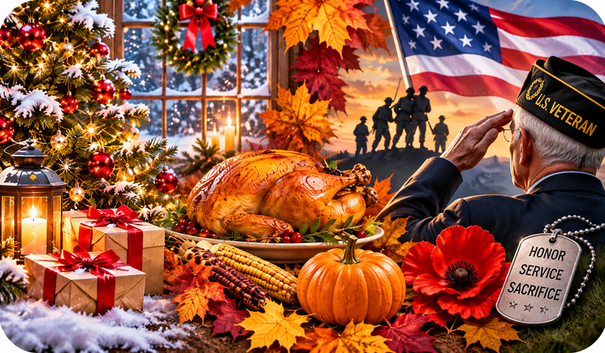
Christmas in America — History and Traditions
Christmas, celebrated on December 25, is one of America's most cherished holidays. For Christians, it commemorates the birth of Jesus Christ. Over generations, Christmas has also become a season of family gatherings, generosity, community celebrations, and traditions enjoyed by Americans from many backgrounds.
The History of Christmas in America
Christmas celebrations in colonial America varied considerably. Some communities observed the holiday with religious services and festivities, while others discouraged its celebration. During the 19th century, Christmas became increasingly associated with family gatherings, decorated trees, gift-giving, and charitable activities.
In 1870, President Ulysses S. Grant signed legislation making Christmas a federal holiday in the District of Columbia.
Christmas Traditions Across America
Today, Americans celebrate Christmas in many ways, including church services, family dinners, decorating Christmas trees, exchanging gifts, volunteering, and supporting charitable organizations. Towns and cities organize Christmas parades, concerts, tree-lighting ceremonies, and community events.
Christmas remains a time when many Americans reflect on faith, family, generosity, and the importance of helping others.
Thanksgiving in America — A Tradition of Gratitude
Thanksgiving, celebrated on the fourth Thursday of November, is one of America's most meaningful holidays. It is a time for families and friends to gather, express gratitude, and reflect on the blessings and opportunities in their lives.
The History of Thanksgiving
The 1621 harvest gathering between Plymouth colonists and members of the Wampanoag people is commonly associated with Thanksgiving's early history. However, Native Americans had practiced traditions of giving thanks for harvests and nature's gifts long before European settlement.
In 1789, President George Washington issued a proclamation calling for a national day of thanksgiving. During the Civil War, President Abraham Lincoln proclaimed a national Thanksgiving observance in 1863.
In 1941, Congress established the fourth Thursday of November as the official Thanksgiving holiday.
Thanksgiving Traditions Across America
Today, millions of Americans celebrate Thanksgiving with family dinners, traditional foods, parades, and community gatherings. Turkey, stuffing, potatoes, cranberry sauce, and pumpkin pie have become familiar parts of the holiday.
Thanksgiving is also a time for generosity. Churches, charities, and volunteers organize food drives and community meals to assist families in need.
The Meaning of Thanksgiving Today
Beyond the traditional holiday meal, Thanksgiving reminds Americans of the importance of gratitude, family unity, generosity, and helping neighbors.
It remains a holiday that brings people together across generations and communities.
Veterans Day — Honoring America's Military Veterans
Every November 11, Americans observe Veterans Day, a national holiday dedicated to honoring the men and women who have served in the United States Armed Forces. It is a day of gratitude, respect, and recognition for those who have defended our country and protected the freedoms Americans enjoy.
The History of Veterans Day
Veterans Day originated as Armistice Day, commemorating the end of fighting in World War I on November 11, 1918. In 1938, Congress established November 11 as a federal holiday.
In 1954, President Dwight D. Eisenhower signed legislation changing the name from Armistice Day to Veterans Day, expanding its purpose to honor American veterans of all wars.
Recognizing Service and Sacrifice
America's veterans have served in times of war and peace, often spending years away from their families and facing difficult and dangerous conditions.
Their service represents courage, dedication, discipline, and commitment to the United States.
Veterans Day also reminds Americans of the importance of supporting former service members through healthcare, employment opportunities, education, and assistance with the challenges of returning to civilian life.
A Nation's Gratitude
Across America, communities recognize Veterans Day with ceremonies, parades, school programs, and gatherings at veterans' memorials.
Unlike Memorial Day, which specifically honors military personnel who died while serving, Veterans Day recognizes all who served, including living veterans.
Veterans Day is more than a holiday. It is an opportunity for every American to express appreciation to those who answered the call to serve their country.
**To all America's veterans: Thank you for your service, your sacrifices, and your dedication to our nation.**