

George Washington, 1794
“Truth will ultimately prevail where pains is taken to bring it to light.”
Know The Facts

Homestead © 2026 My Middle Class America
Privacy Policy | Terms of Use | Cookie Policy | Disclaimer
Empowering the American middle class — one story at a time.
Privacy Policy | Terms of Use | Cookie Policy | Disclaimer
Empowering the American middle class — one story at a time.
Facts • Reliable Sources • Understanding
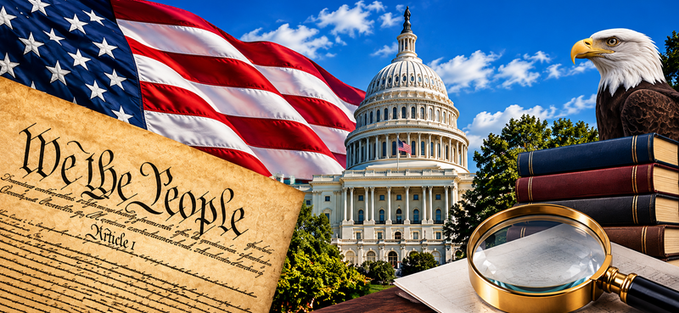
Why Knowing the Facts Matters
Every day, Americans are presented with information from television, websites, newspapers, public officials, organizations, and countless other sources. Some information is accurate, some is incomplete, and some can be misleading. Understanding an issue begins with separating documented facts from opinions and claims. By looking at reliable sources, comparing information, and asking questions, people can better understand the issues that affect their families, communities, and country.
Knowing the facts does not mean everyone will reach the same conclusion. Americans can examine the same information and still disagree about what policies or solutions are best. What matters is beginning with information that can be checked and verified. Reliable government records, historical documents, laws, statistics, and established research can help people form their own opinions based on evidence rather than rumors or incomplete information.
Where Do the Facts Come From?
Statistics & Research
Government data, universities and established research
Original Sources
Speeches, court decisions, legislation and public records
Government Records
Laws, regulations, budgets and official reports
Historical Documents
The Constitution, founding documents and archives
How to Check Information for Yourself
1. Find the Original Source
Whenever possible, go beyond a headline or summary and look for the original document, law, government report, court decision, speech, study, or official record. Reading the original source can provide important context that may be missing from someone else's description of it.
2. Check More Than One Reliable Source
Important information should not depend on a single article, website, or statement. Compare information from more than one reliable source and look for agreement on the basic facts. When sources disagree, examine the evidence each provides and determine whether they are reporting facts, interpretation, or opinion.
3. Separate Facts From Opinion
A fact can be checked against evidence, records, or reliable data. An opinion expresses a belief, judgment, or interpretation. Both can be valuable, but they are not the same. When reading about an important issue, ask whether a statement is presenting documented information or someone's interpretation of that information.
4. Check the Date and Context
Information can be accurate but still misleading if it is outdated or presented without context. Check when the information was published, what period the data covers, and whether circumstances have changed. Statistics and quotations are especially important to examine in their full context.
5. Ask: Can I Verify This?
Before accepting an important claim as fact, ask whether you can trace it to evidence. Look for the actual law, report, statistic, court ruling, historical document, or other original source. If a claim cannot be verified, treat it cautiously until reliable evidence can be found.
Reliable Sources to Start With
Federal legislation, bills, laws, congressional records and information about the legislative process.
The Constitution, Declaration of Independence, Bill of Rights and other important historical government records.
Population, income, employment, housing and demographic statistics.
Employment, wages, inflation, prices and other U.S. economic data.
The Facts Are the Starting Point
Facts do not tell Americans what to think. They give us a common starting point for understanding an issue. By checking reliable sources, examining the evidence, and considering the full context, each person can reach his or her own conclusions. An informed public strengthens our communities and our country.